

Choosing Your First VR Headset: A Complete Buyer’s Guide
Date Published
Choosing Your First VR Headset: A Complete Buyer’s Guide
Virtual reality has rapidly transitioned from a niche curiosity to a mainstream entertainment and productivity tool. Yet, for first-time buyers, the sheer number of options can be overwhelming. Choosing the right VR headset isn’t just about picking the newest or flashiest model; it’s about aligning the device with your intended use. Whether you’re looking to dive into immersive gaming, enhance your fitness routine, or explore virtual social spaces, the right headset can drastically influence your experience.
Understanding the VR Ecosystem
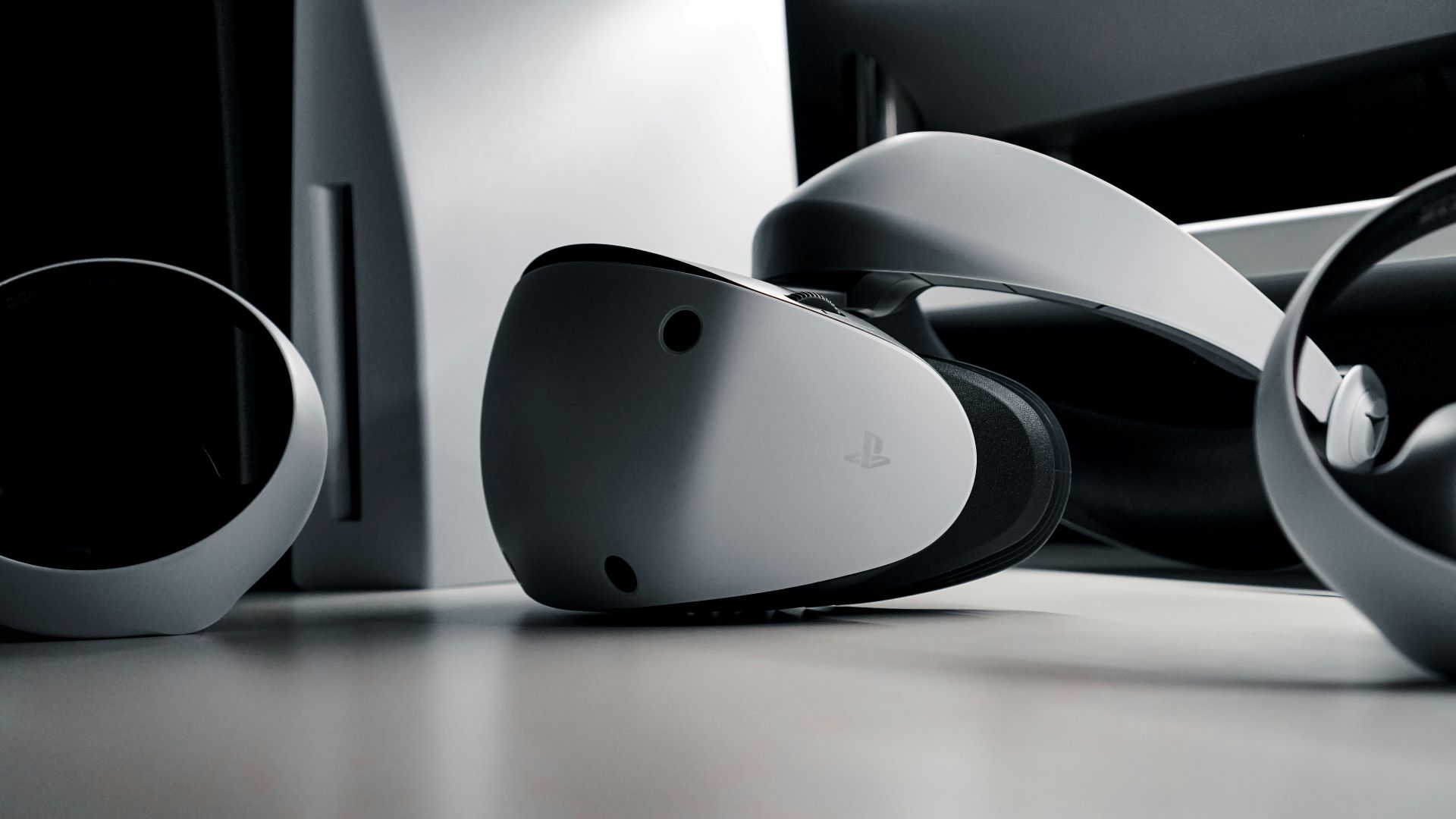
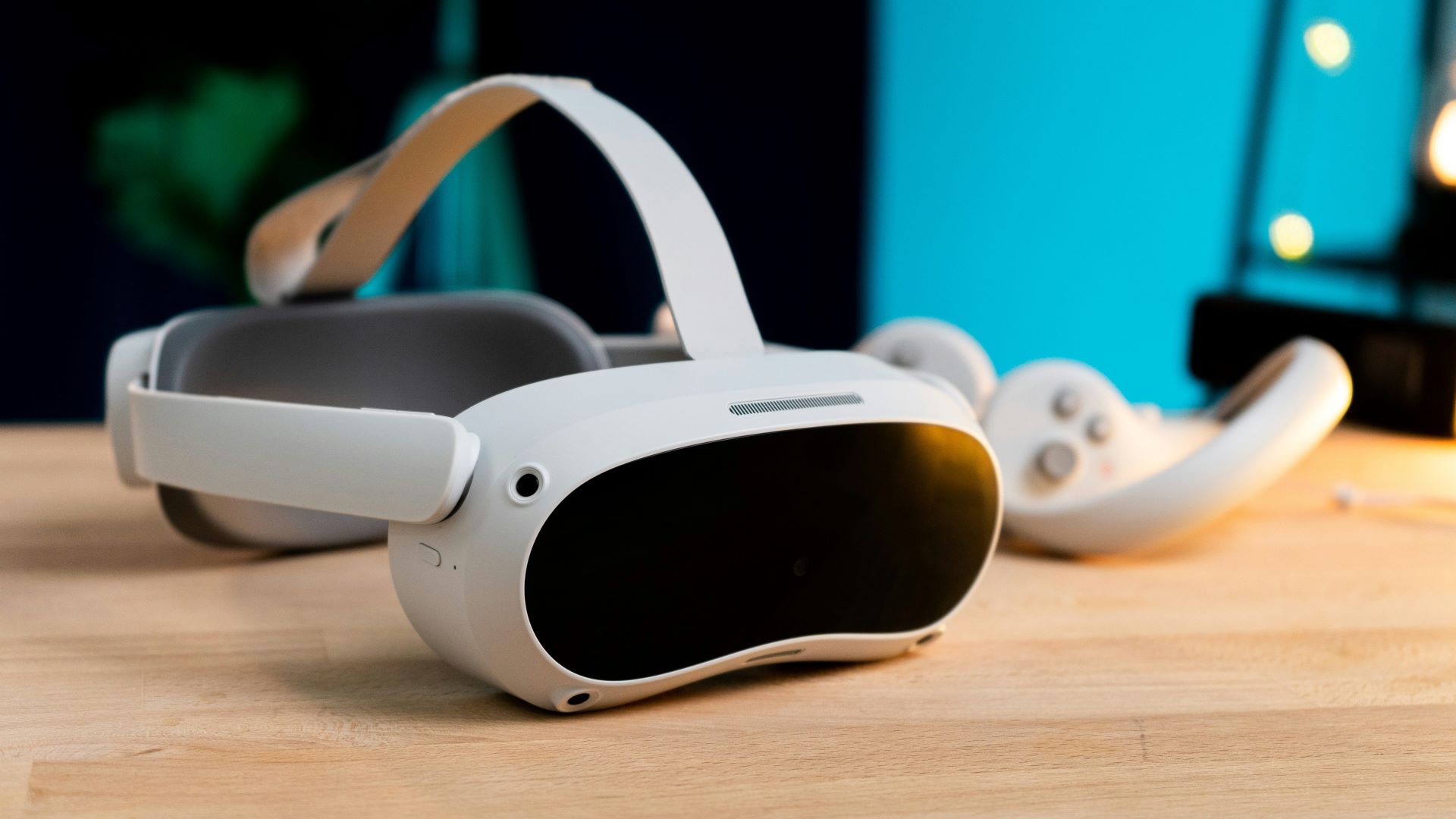
Before exploring specific headsets, it’s crucial to understand the VR ecosystem. Modern VR devices broadly fall into three categories: PC-tethered, console-based, and standalone. PC-tethered headsets like the Meta Quest Pro when connected to a gaming PC provide high-fidelity graphics and broad software compatibility, but they require a powerful computer and are less portable. Console-based options, like those for the PlayStation VR2, offer a balance of performance and ease of use, designed to integrate seamlessly with your console. Standalone headsets such as the Meta Quest 3 offer portability and convenience, running without the need for external hardware but typically at slightly lower graphical performance. Recognizing which ecosystem suits your lifestyle and setup is the first step in selecting a device that won’t leave you frustrated or underutilized.
Matching Headsets to Gaming
For gamers, VR is about immersion. Devices that offer high refresh rates, low latency, and precise tracking are essential for creating a convincing sense of presence. PC-tethered headsets generally dominate this space because they leverage the computational power of modern GPUs to render complex worlds with high fidelity. Titles with rapid movement and intricate graphics, like competitive VR shooters or flight simulators, benefit from these specifications. However, console and standalone devices have evolved to support increasingly sophisticated games, with many now providing access to a growing library of popular VR titles. When selecting a gaming-focused headset, consider comfort during extended sessions, controller ergonomics, and whether the system supports the games you anticipate playing most.
VR for Fitness and Wellness
VR isn’t just about gaming; it has become a powerful tool for fitness and wellness. Apps that combine exercise with interactive virtual environments turn traditional workouts into engaging experiences. For fitness enthusiasts, standalone headsets with inside-out tracking can track movement without requiring external sensors, simplifying setup and use. The ability to move freely without tethering makes standalone devices particularly appealing for activities like boxing, dance, or yoga. Moreover, some devices offer heart rate tracking and integration with fitness apps, providing a holistic approach to virtual training. When your goal is wellness rather than high-end gaming, portability and ease of use often outweigh maximum graphical fidelity.
Exploring Social VR and Virtual Workspaces
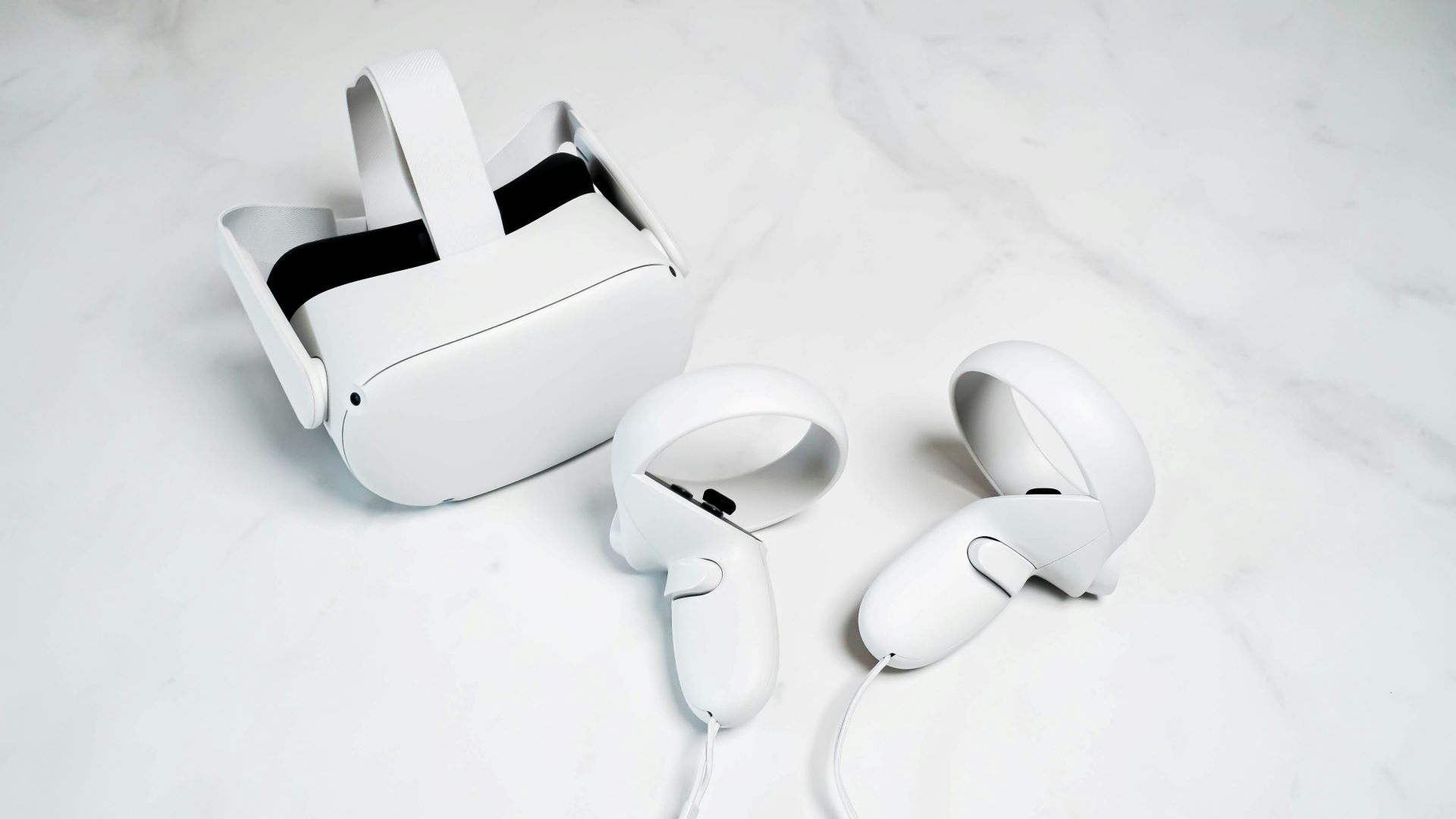
The rise of social VR platforms and virtual workspaces has expanded the purpose of headsets beyond entertainment. Apps designed for collaboration, virtual meetings, or shared creative projects often emphasize accessibility, comfort, and intuitive controls over raw graphics power. Standalone headsets, due to their portability and simplified setup, tend to be ideal for these applications. For users intending to spend hours interacting virtually with colleagues or friends, comfort, field of view, and voice/audio quality are paramount considerations. Additionally, cross-platform compatibility can ensure that you can connect with users regardless of their device, reducing friction and making your social VR experience seamless.
Comfort, Fit, and User Experience
Regardless of your intended use, comfort remains a critical factor. Weight distribution, adjustable straps, and the quality of facial padding can drastically affect session length and enjoyment. Some headsets offer modular options or interchangeable face cushions to accommodate different head shapes and glasses use. Heat buildup and lens clarity also impact immersion; prolonged use of a headset that causes discomfort or visual fatigue can diminish the experience, regardless of the software or hardware capabilities. User experience extends beyond physical comfort to include ease of setup, intuitive interface, and software ecosystem—elements that first-time users often underestimate.
Connectivity and System Requirements
The technical requirements of a VR headset cannot be overlooked. PC-tethered devices demand a system with a powerful GPU, sufficient RAM, and compatible ports, while console-based headsets require the corresponding console. Standalone devices offer simplicity, but storage capacity, battery life, and wireless connectivity become critical. It’s important to assess whether your current hardware can support the headset’s requirements and whether future upgrades will be necessary to maintain performance. Additionally, some headsets allow for optional PC or cloud streaming, which can expand software access but may require stable, high-speed internet.
Price Considerations and Value
Budget often influences the decision more than any other factor. While high-end PC-tethered headsets provide unmatched graphics and flexibility, they come with steep upfront costs. Console-based devices offer a middle ground, while standalone headsets provide accessibility at a lower price point. Beyond the initial purchase, consider additional expenses such as accessories, replacement faceplates, or software subscriptions. The goal is not necessarily to find the cheapest option but to maximize the value based on your use case. Sometimes a slightly more expensive device that fits your lifestyle perfectly can offer years of satisfaction, while a cheaper option may lead to frustration and underuse.
Future-Proofing Your VR Choice
The VR landscape is rapidly evolving. New hardware releases, software updates, and expanded content libraries continually enhance capabilities. When choosing a first headset, consider support longevity, upgrade paths, and community engagement. Devices with active developer support tend to receive regular updates, expanding functionality and improving performance over time. Staying informed about industry trends ensures that your investment remains relevant, allowing you to explore new experiences without frequent hardware upgrades.
Making Your Decision
Selecting your first VR headset is ultimately a personal decision driven by your intended use, comfort preferences, technical environment, and budget. Gamers may prioritize performance and controller precision, fitness enthusiasts might favor portability and tracking accuracy, while those seeking social interaction or productivity tools may value comfort and ecosystem integration. By evaluating your needs across these dimensions, you can confidently choose a headset that aligns with your lifestyle, ensuring that your first VR experience is engaging, comfortable, and future-ready.
Virtual reality offers transformative experiences, but the best headset for you is one that complements your goals rather than overwhelming you with features you won’t use. With careful consideration and research, your first dive into VR can be both accessible and exhilarating, opening a new world of possibilities right from the comfort of your home.