

From Pixels to Presence: Mastering VR Design in 3D
Date Published

Beyond the Canvas
The moment you slip on a VR headset, the world transforms. Pixels stretch into infinite space, and the flat, familiar rules of traditional design dissolve. In this new dimension, the artist is not just a creator but a spatial storyteller, guiding users through an environment where scale, perspective, and interaction define the experience. Unlike traditional art, VR demands that every stroke, every shape, and every interaction exist within a living, breathing world where the user is an active participant, not a passive observer.
VR is no longer a novelty or a gimmick; it’s a medium redefining creativity. From interactive galleries to immersive storytelling, designers must rethink fundamental artistic concepts. The question becomes: how do you translate centuries of 2D design knowledge into a 3D universe where presence itself is the canvas?
Rethinking Traditional Art in Three Dimensions
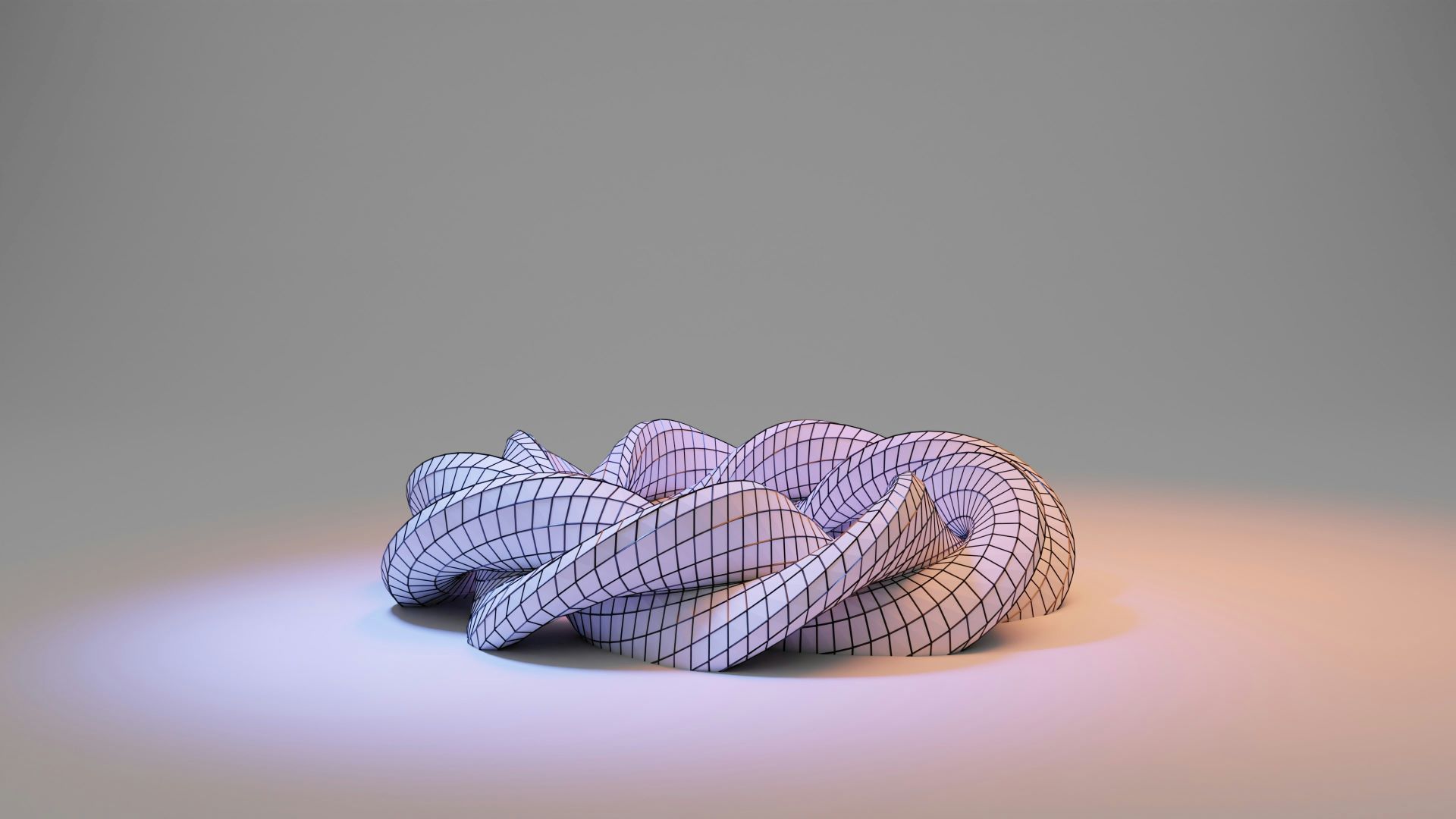
The leap from 2D to 3D is more than a technical challenge; it’s philosophical. In VR, composition is no longer just about line, color, or perspective—it’s about inhabitable space. The viewer is now an actor within the piece, and their perception shifts based on proximity, angle, and motion.
Textures, lighting, and materials take on new significance. In flat art, shading implies depth; in VR, depth is real, and scale becomes a narrative tool. A room that feels small on screen can tower over the user in virtual space, eliciting emotions that are impossible on a canvas. Designers must think in terms of volume, spatial rhythm, and movement through time and space, turning static compositions into immersive experiences.
The Language of Spatial Storytelling
Storytelling in VR transcends linear narrative. It is spatial, dynamic, and interactive. Designers must guide attention without traditional framing techniques, using scale, light, sound, and interactivity to communicate story beats.
Consider an immersive exhibition. A user doesn’t just walk past a painting—they enter it. Soundscapes respond to their movements, and objects shift subtly to reflect emotional tones. Every design choice becomes part of a choreography, where the narrative unfolds around the user rather than in front of them.
The key is to embrace the agency of the user. Unlike cinema or theater, VR gives the audience freedom of movement. The designer’s role is less about dictating focus and more about curating moments that reward exploration, subtly guiding without constraining. This balance between structure and freedom is the art of spatial storytelling.
Scale as a Narrative Device
In VR, scale is not a neutral property—it’s a storytelling instrument. An enormous sculpture can evoke awe, while a miniature city can encourage curiosity and intimate exploration. Designers can manipulate scale to influence emotional engagement, directing the user’s focus and shaping perception.
Spatial scale also informs interaction. Objects that invite touch, manipulation, or inspection must feel tangible. The user’s body becomes a measuring tool, a reference point that must be respected. This intimate relationship with scale transforms design from visual composition to physical experience, where presence and movement amplify meaning.
User Agency: Designing for Interaction
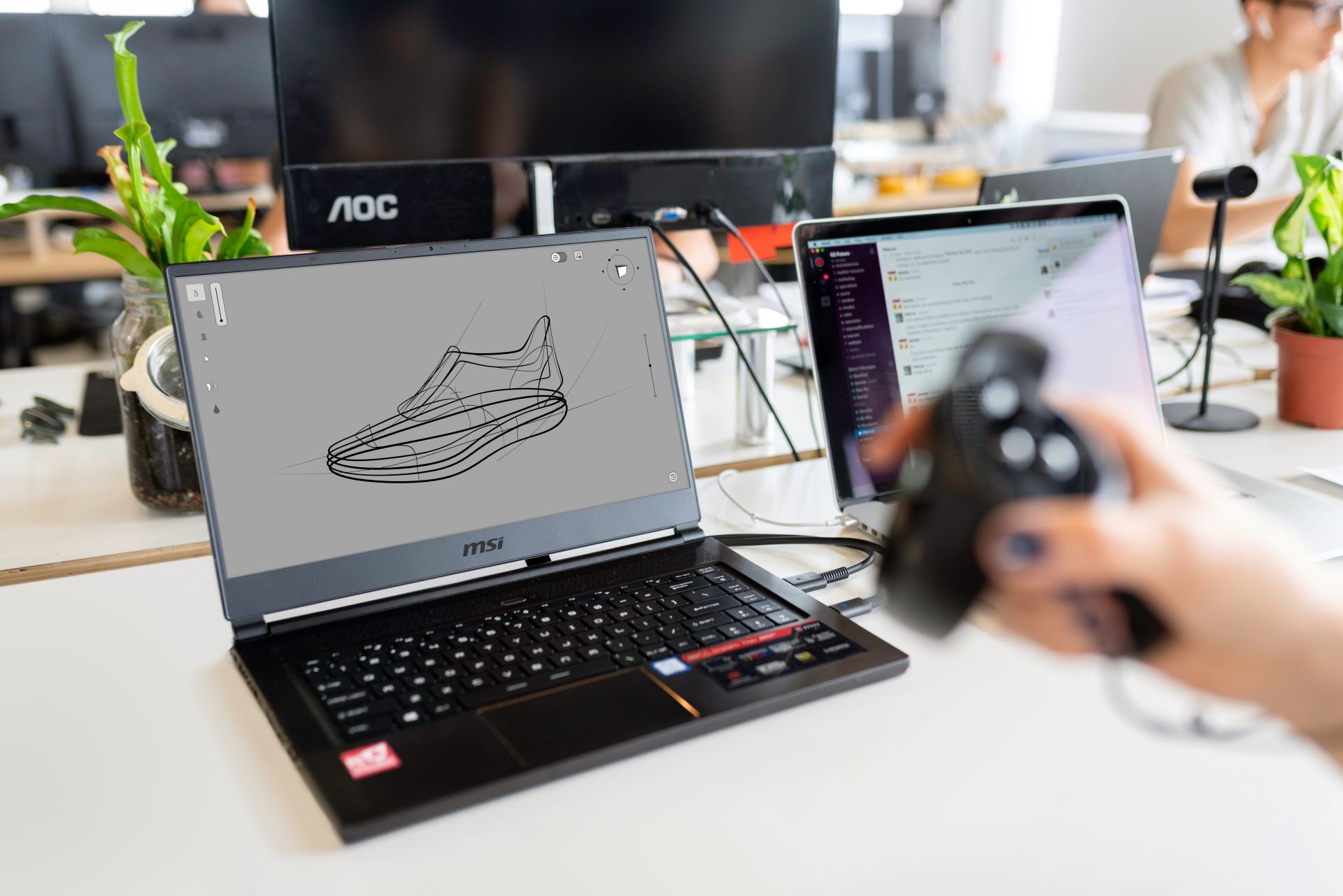
Interactivity is where VR design diverges most dramatically from traditional art. The user is no longer a spectator but a participant, and their choices shape the narrative. This requires careful consideration of mechanics, physics, and affordances. Objects must behave convincingly, feedback must be immediate, and the environment must anticipate and respond to user behavior.
Designing for agency also demands empathy. Every choice a user can make should feel meaningful. Even seemingly minor interactions—opening a virtual book, adjusting a lever, or following a lighted path—contribute to immersion. The user’s freedom becomes the canvas, and the designer’s challenge is to construct a world that is coherent, reactive, and emotionally resonant.
The Intersection of Technology and Art
VR design thrives at the crossroads of creativity and technology. Game engines, spatial audio, haptic feedback, and AI-driven interactions offer new tools for artists, but mastery of these tools requires understanding the psychology of presence. Lighting isn’t just about realism—it communicates mood. Physics isn’t just about mechanics—it informs trust and immersion.
Collaboration between artists, engineers, and UX designers is crucial. The most compelling VR experiences emerge when artistic vision meets technical innovation, creating worlds that feel alive, responsive, and meaningful. The designer must think simultaneously like a painter, architect, storyteller, and engineer, blending disciplines that rarely converge in traditional media.
Case Studies: Immersive Success Stories
Successful VR projects reveal the power of reimagined design principles. Exhibitions such as virtual museums allow users to traverse time and space, interacting with artifacts as if they were real. VR games use spatial puzzles and environmental storytelling to engage players deeply, leveraging agency to create narrative resonance. Social VR platforms invite collaborative creativity, allowing users to leave a mark on shared digital worlds.
Each case illustrates a common truth: VR design is not about replicating reality—it’s about shaping presence. Effective VR experiences respect user agency, manipulate scale intelligently, and craft spaces that communicate beyond what the eye sees.
Challenges and Opportunities
Despite its promise, VR design faces unique hurdles. Motion sickness, hardware limitations, and accessibility remain ongoing concerns. Yet, these constraints also inspire innovation. Designers must optimize performance without sacrificing creativity, and devise experiences that are universally intuitive.
The evolution of VR and the metaverse suggests a future where traditional notions of art, architecture, and interaction merge. As devices become more sophisticated and audiences more discerning, the demand for thoughtful, spatially intelligent design will only grow. VR challenges us to reconsider not just how we make art, but how we inhabit it.
Crafting Presence
The art of VR design lies in transformation. It asks creators to think beyond pixels, beyond screens, beyond traditional notions of audience. It demands mastery of space, scale, and agency, while celebrating the serendipity of human exploration.
From pixels to presence, VR turns spectators into participants, static images into living worlds, and design into an experience that resonates on physical, emotional, and cognitive levels. Those who embrace these principles are not just designing for a medium—they are defining the future of creative expression in the metaverse.