

Virtual Reality: Cutting Corporate Travel Costs Effectively
Date Published

The Costly Reality of Corporate Travel
In the corporate world, travel has long been a cornerstone of operations. Executives attend conferences, teams inspect facilities, and clients meet face-to-face, all in the pursuit of stronger business relationships and operational efficiency. Yet, each trip comes with a hidden price beyond flights, hotels, and per diems. Time away from the office, productivity dips, and environmental impacts silently inflate the cost ledger. Enter virtual reality. What was once considered a futuristic novelty now presents a practical solution: VR-enabled meetings, site visits, and immersive collaboration can replace a portion of physical travel, reducing costs while maintaining engagement.
Virtual Meetings in the Metaverse: Beyond Video Calls
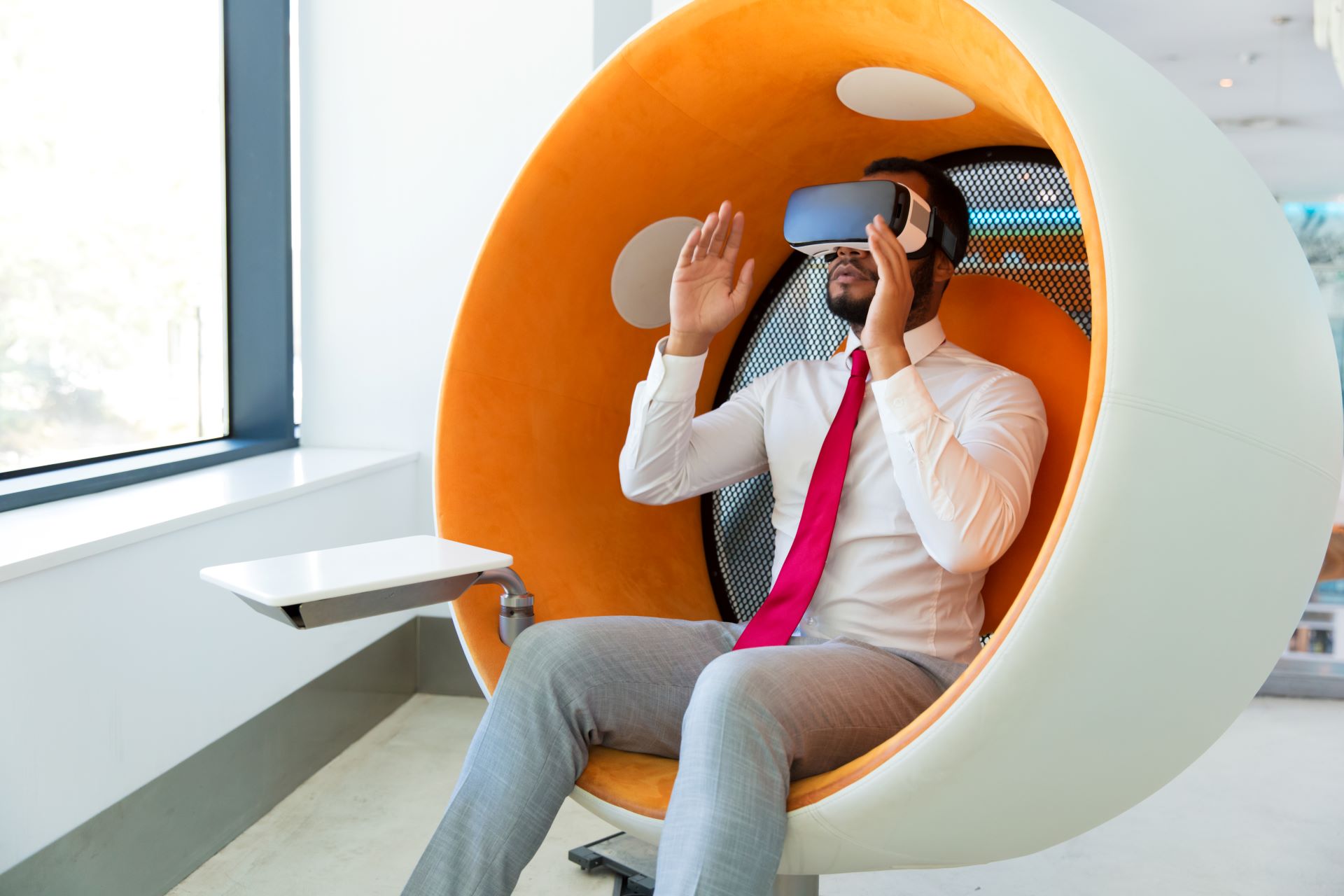
Corporate leaders have long relied on video conferencing to reduce travel, but traditional platforms often fall short. Virtual reality changes the equation. In a VR environment, participants inhabit shared, 3D spaces that simulate the feeling of presence far more convincingly than a 2D screen. Boards can gather around a virtual table, teams can walk through a simulated factory floor, and clients can tour products or facilities without leaving their office.
The financial implications are compelling. Airfares, hotel expenses, and ground transportation—sometimes amounting to thousands per participant per trip—can be reduced or eliminated. Even when VR cannot fully replace travel, it enables companies to strategically triage which trips are essential, focusing in-person resources on situations where physical presence provides unmatched value.
Site Visits and Inspections: Virtual Reality on the Ground
Field inspections and site visits have traditionally required teams to travel extensively. Whether auditing construction projects, evaluating retail locations, or performing maintenance checks, the costs and logistical challenges can be significant. VR offers an alternative: high-resolution, interactive simulations of facilities allow remote teams to inspect layouts, monitor progress, and make informed decisions without boarding a plane.
The advantages extend beyond cost. Virtual site visits can be conducted more frequently, providing real-time oversight that would be impractical under conventional travel schedules. This not only saves money but improves operational accuracy and efficiency. Employees can engage more deeply with multiple projects simultaneously, shifting from reactive to proactive management.
Employee Experience: Balancing Convenience and Engagement
While the financial and logistical benefits of VR are clear, the human factor cannot be ignored. Employee experience is central to adoption. Immersive VR experiences can increase engagement and reduce the stress of travel. Long-haul flights, jet lag, and missed family commitments are no longer concerns when employees can fully participate in meetings or site inspections virtually.
However, VR is not without limitations. Some employees may experience motion discomfort or “VR fatigue” during extended sessions. Additionally, the tactile and social nuances of physical interaction—handshakes, shared meals, informal networking—cannot be perfectly replicated. Corporations must carefully balance cost savings with the value of authentic human connection, perhaps integrating VR as a supplement rather than a full replacement for all travel.
Analyzing Cost Savings: Beyond Airfares and Hotels
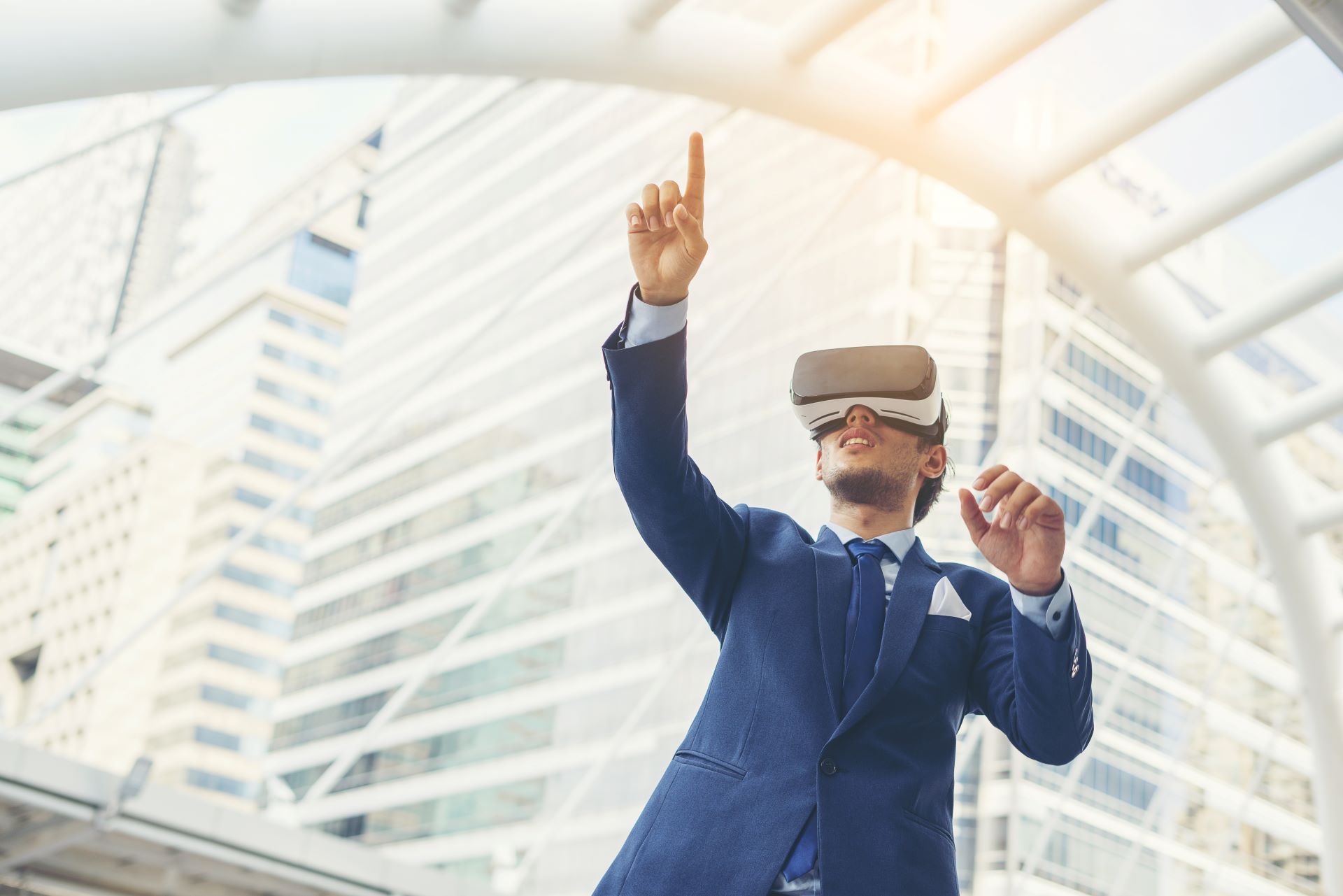
Calculating savings is more nuanced than simply subtracting ticket prices. Corporates must consider the total cost of travel, including lost productivity, administrative overhead, and opportunity costs. For example, an executive traveling overseas for a two-day meeting may lose an entire week in effective work time, whereas VR sessions can be scheduled flexibly around other responsibilities.
Furthermore, the environmental impact of reduced travel has both financial and reputational implications. Lower corporate carbon footprints appeal to investors, clients, and employees, reinforcing corporate responsibility initiatives while subtly lowering regulatory or compliance risks.
Limitations and Practical Considerations
Despite VR’s promise, its implementation is not without challenges. The technology infrastructure, including headsets, software platforms, and high-speed connectivity, requires upfront investment. Training employees to use VR effectively also carries costs and learning curves.
Additionally, not all interactions can be replicated virtually. Negotiations involving delicate trust-building, high-value client engagements, or physical product demonstrations may still require in-person presence. Companies must adopt a hybrid model, combining VR with selective travel to optimize both cost and effectiveness.
The Future of Corporate Travel: Hybrid Reality
Corporate travel is entering a transformative phase. VR does not eliminate the need for travel entirely but provides tools to reduce unnecessary trips while enhancing employee engagement and operational oversight. Hybrid models, blending physical and virtual interactions, allow companies to allocate resources more strategically.
In industries where travel has historically dominated budgets, even a modest reduction in trips can translate into significant savings. When combined with improved employee satisfaction, environmental benefits, and enhanced operational efficiency, VR becomes not merely a cost-cutting measure but a competitive advantage.
Strategic Adoption and Measured Impact
Virtual reality offers corporates a compelling alternative to traditional travel. By replacing or supplementing some physical trips with immersive VR experiences, companies can reduce costs, minimize disruptions, and provide employees with more flexible, engaging work experiences. The key is strategic adoption—balancing VR’s advantages against its limitations to create a travel strategy that optimizes financial, operational, and human outcomes.
As technology continues to evolve, VR will likely play an increasingly central role in corporate operations, reshaping how organizations think about presence, participation, and productivity. Forward-thinking companies that embrace this hybrid reality stand to save money, enhance collaboration, and maintain competitive agility in an increasingly interconnected world.